

ATM Locations
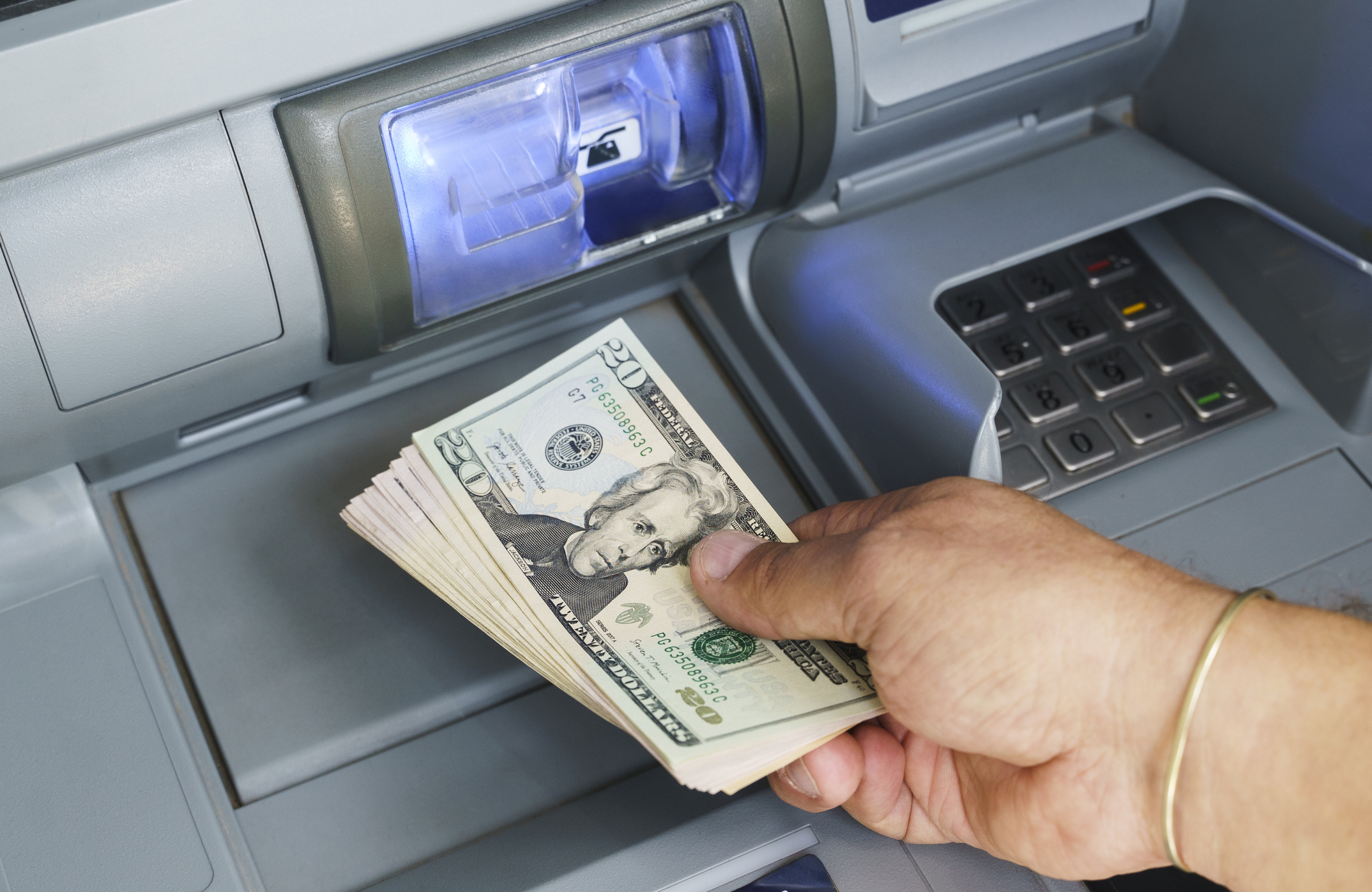
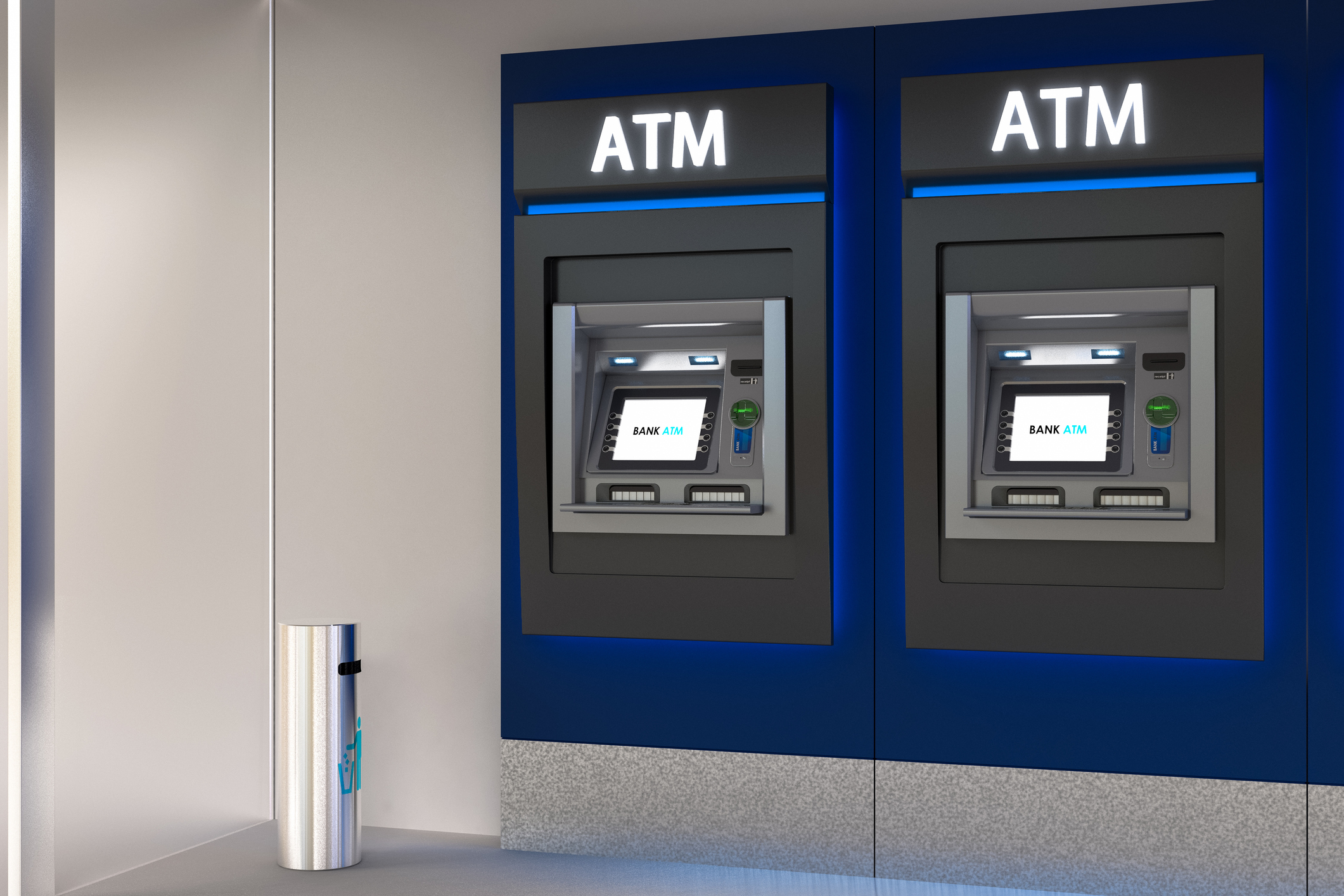
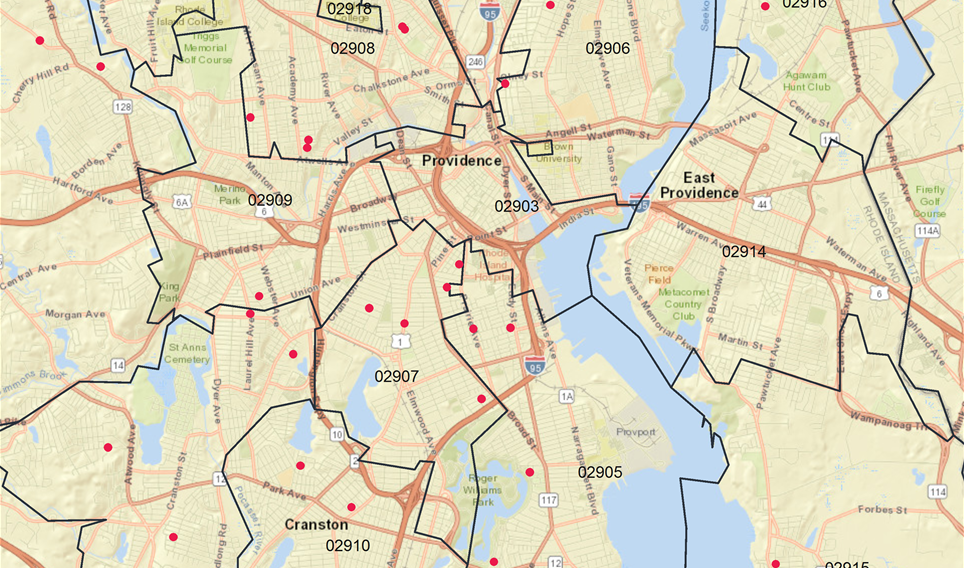
The ATM Locations database identifies over 415,000 automated teller machine (ATM) locations, their parent institutions, owners, and other attributes. This point-level database was created using data provided by Mastercard® International’s member institutions, which cover most ATMs nationwide. The ATMs included in the database have been geographically coded to enable use in mapping applications. This database can be used for various applications, such as comparing your ATM network with competing networks or creating spatial models to help determine where to open or close ATM locations.
ATM Locations is a point-level database accessed through the Location Lists tool in ENVISION. It covers every ATM that accepts Mastercard®, and member institutions are required to provide data to the global payments company every 90 days from the time their ATM began to accept Mastercard® transactions. The data is used to create the most comprehensive and up-to-date database of ATM locations in the U.S.
Understanding the ATM Locations Data
When member institutions report a new ATM to Mastercard®, it is verified against existing records before being added to the database. The database only includes ATM locations with up-to-date reports; ATM locations are removed if they have not reported new information in the past 13 months.
The database includes various fields to aid several types of analysis, including:
- Institution Preferred Name - This field is created and managed by Mastercard® to present the most used name for the ATM location (e.g., Wells Fargo Bank). The Institution Preferred Name field can be used to get an overview of an institution’s ATMs available in any area. Mastercard® recommends using this field for most applications.
- Legal Name - This field presents the legal name of the ATM according to Mastercard® (e.g., Wells Fargo Bank N.A.).
- Sponsor Name - This field displays the name of the organization that sponsored the ATM into the Mastercard® network. It can be a bank or an ATM network, such as Pulse Network.
- Owner Name - The “Owner Name” field identifies the owner of the ATM.
How it’s used
- Financial institutions use the database to compare their ATM network with competitor networks and understand ATM network ownership.
- To seek ATM partners in areas where banks have low penetration but want to provide customers with more access points.
- To analyze areas for expansion or rationalization of existing ATM locations.
Sample questions it can answer
- Where are my competitors’ ATM locations?
- How big are competing ATM networks?
- Do we have the most ATMs in a specific trade area?
- Is this a suitable location for a new ATM?
- Should we expand our ATM network to new areas or partner with existing local providers?
Want to know more about Location Data?
We're here to help.
Financial
Understand Americans’ investment behavior and develop a comprehensive picture of their assets, liabilities and net worth. Make smarter marketing decisions, improve product mix and inventory levels and monitor trade areas based on their saving and investment behavior. Choose from six databases.
Geographic
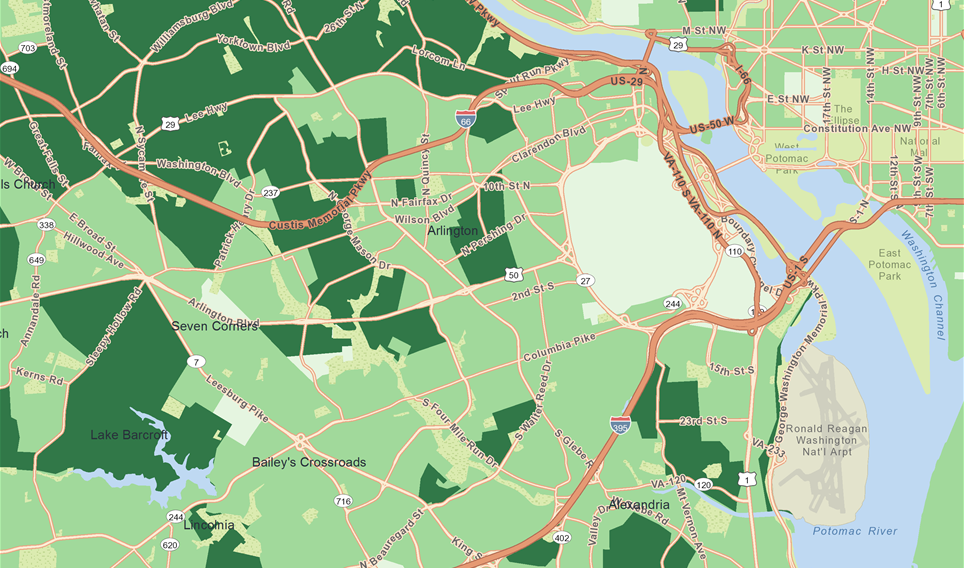
Working with popular GIS software products, link customer data to geographic areas to help improve site selection and location analysis, strategic planning, product distribution and competitor analysis. We offer a suite of mapping and data products for use in media planning, target marketing and consumer profiling.
Join us for an upcoming webinar
Keep up to date on the latest trends that will affect your organization and discover the latest advancements in our services and product offerings. Register for upcoming webinars or access our past presentations.
Expert Insights ›
Our industry experts publish timely analysis of government data releases, opinions on industry trends and insights on how organizations are embracing big data and analytics to help you stay informed.

News ›
Catch up on the latest news from Environics Analytics.
Client Success Stories ›
Discover how we are helping organizations use data analytics for evidence-based decision making to improve marketing, guide their high-level strategic planning and drive operational improvements.